Los Angeles
The city fixed the approval. The building still loses money.
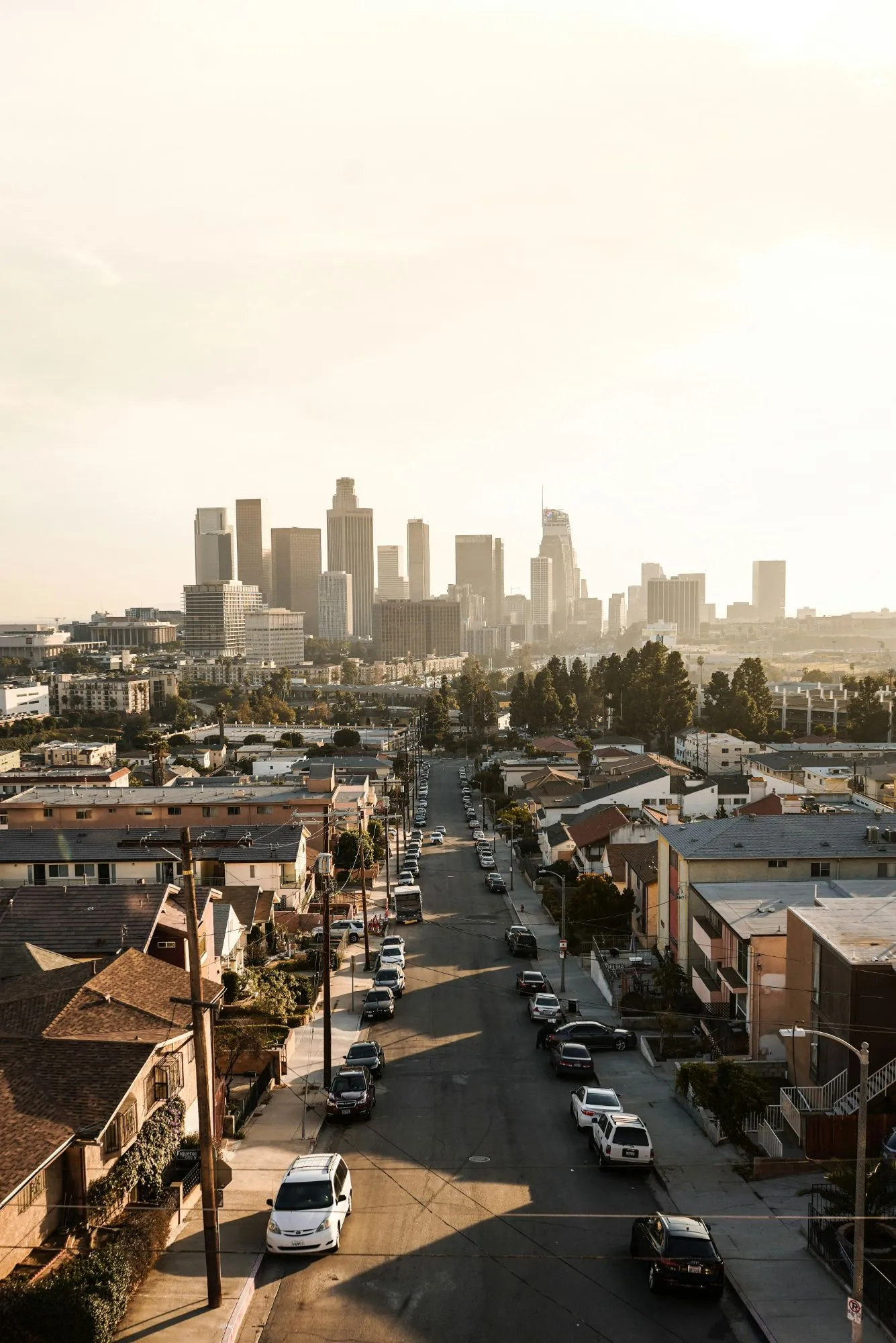
Los Angeles fixed its approvals. Construction kept falling.
For decades the case against Los Angeles was that it took too long to get a yes. The average apartment project permitted between 2010 and 2022 waited a year and a half for its approvals.
The city has spent three years cutting that down. In 2025 it launched what the mayor calls the largest local rezoning in the country. Builders proposed nearly 30,000 homes through it in the first year. Fully affordable projects now get approved in about 60 days. The city issued permits for 12,724 apartments in the twelve months to July, among the most of any U.S. city.
Construction went the other way. Los Angeles County delivered 9 percent fewer new apartments in the first half of 2026 than a year earlier, and 15 percent fewer were under construction. A Kidder Mathews broker described most local developers as “pencils down.”
This report argues that approval is no longer the main thing stopping apartments in Los Angeles. Cost is.
Supply Scorecard
| Metric | Value | Vintage | Source |
|---|---|---|---|
| M1 Apartments permitted, City of Los Angeles | 12,724 | 12 mo. to Jul 2026 | RealPage / Census BPS |
| M2 New apartments delivered, L.A. County | 2,376 −9% yr/yr | H1 2026 | Kidder Mathews via The Real Deal |
| M3 Median asking rent, City of Los Angeles | $2,742 −2% yr/yr | Q2 2026 | Realtor.com via The Real Deal |
| M4 Average sale price per apartment, L.A. County | $280,591 −29% since 2022 | 2026 | Kidder Mathews via The Real Deal |
| M5 Fully affordable units approved under ED1 with a building permit | 23% | May 2026 | Bisnow |
Permits are units authorized, not units built. M1 and M3 are the city; M2 and M4 are the county.
A new building is worth two-thirds of what it costs
The Setback models the same 40-unit apartment building in every city it covers: mostly studios and one-bedrooms, a few two-bedrooms, a small garage. In Los Angeles that building costs about $540,000 per apartment. Once it opens and fills, it is worth about $360,000 per apartment.
Investors who fund buildings like this expect them to earn about 6 percent a year on what they cost. This one earns about 3. At current rents and costs it does not get financed.
The resale market points the same way. The average existing apartment in Los Angeles County sold for about $280,000 this year, down from about $397,000 in 2022. Higher interest rates pushed apartment values down across the country after 2022, and Los Angeles followed. An investor can buy an existing apartment for about half what it costs to build a new one.
Why the building costs so much
About two-thirds of the cost is construction itself: labor and materials. Land, fees and interest make up the rest.
California is one of the most expensive places in the country to build. The Terner Center at UC Berkeley told the state Assembly in January that the same apartment building can cost 2.3 times as much to build in California as in Texas. Construction costs in the state have risen at about double the rate of inflation since 2019.
Labor is a major driver. More than two-thirds of California contractors name worker shortages as their top concern, and the state lost construction workers last year. Foreign-born workers are more than 40 percent of the state’s construction workforce, which makes federal immigration enforcement a construction-cost issue. Tariffs add to materials. Builders also report that permits, inspections and other soft costs have roughly doubled as a share of their budgets.
Rents cannot rise to cover it
In a housing shortage, rents should climb until building pays. In Los Angeles they are falling. The median asking rent in the city was $2,742 in the second quarter, down 2 percent from a year earlier. Across the county, rents are nearly 10 percent below their 2022 peak.
Demand has softened. Los Angeles County lost more residents in 2025 than any other county in the country, roughly 60,000 to 70,000 people, as immigration slowed and residents left for cheaper places. Many of those who stay are already stretched. For the model building to work at today’s costs, rents would have to rise by about two-thirds.
Every zoning reform together closes a quarter of the gap
Suppose the city granted every zoning reform at once: approval in two months, no parking requirement, no required affordable units, and enough extra height to fit half again as many apartments on the same land.
The building’s return rises from about 3 percent to about 4. It needs 6.
Every zoning reform combined, against the return the building needs.
That closes about a quarter of the gap. The Setback’s Washington, D.C. report found the same share.
Speed helps least, though it gets the most attention. While a project waits for approval, the builder pays interest only on the land. The large construction loan starts later. Cutting a year and a half of waiting to two months barely changes the result.
This also explains why permits can rise while construction falls. An approval has value even when a building does not pencil. Economists Evan Soltas and Jonathan Gruber found that Los Angeles land with approved permits sells for about 50 percent more than the same land without them. Some owners get a permit to sell the land for more, or to be ready if costs fall.
The city taxes the sale
In 2022 Los Angeles voters passed Measure ULA, promoted as a “mansion tax.” It charges 4 percent on property sales above $5.4 million and 5.5 percent above $10.9 million. Once a sale crosses a threshold, the rate applies to the entire price.
The model building would sell for about $14.5 million, so the tax would be about $795,000. For a builder who plans to sell on completion, the tax costs about half of what every zoning reform combined saves.
Some builders now stay under the threshold. One developer told the Los Angeles Times that people are building “two or three stories on parcels that could hold six or seven stories.”
How much the tax has cost the city is disputed. RAND researchers estimate it deterred more than 9,000 homes through early 2026. A study cited by the tax’s backers found interest rates and construction costs did most of the damage, with the tax affecting a narrower group of projects built to sell. The tax has raised $1.2 billion for affordable housing and tenant aid. In July the City Council declined to send an exemption for new apartments to the ballot and asked instead for a pilot credit for projects that include affordable units and pay prevailing wages.
The projects that work get a property tax break
One kind of apartment building is getting built in Los Angeles: the fully affordable kind. Under Executive Directive 1, these projects skip parking requirements, get extra density, and can qualify for California’s property tax exemption for affordable housing. Lenders report returns near 7 percent on some deals, and some market-rate developers have moved into the program. Nearly 47,000 units are in its pipeline.
The property tax exemption matters most. Removing property tax from the model building improves it about as much as every zoning reform combined.
These projects stall too. Fewer than a quarter of the units approved under the directive had building permits by May. Developers pointed to financing gaps and rising costs.
What would have to change
Los Angeles has done most of what zoning can do. The state’s transit upzoning law took effect in July, and the city delayed most of it until around 2030. Fully applied, it would still close only part of the gap.
The remaining levers are taxes and construction cost.
Lower taxes on new buildings. Exempting a new rental building’s first sale from ULA and pausing its property tax for several years would each help. Both would cost the city revenue it now spends on affordable housing.
Lower construction costs. Building codes, the construction workforce, and materials prices drive most of the budget. The state and federal governments control more of these than the city does.
In The Setback’s model, the building pays for itself only when taxes and construction costs both fall alongside full zoning reform. No single change gets it there.